
Blog
The social implications of gambling Understanding the impact on communities and families in Wprld Cup 2026 Prediction Today

The social implications of gambling Understanding the impact on communities and families in Wprld Cup 2026 Prediction Today
The Growing Popularity of Gambling during Major Events
The rise of gambling during significant sporting events, such as the FIFA World Cup, has been pronounced in recent years. With the increased accessibility of online betting platforms and sports betting becoming more legalized in various jurisdictions, many individuals see it as a way to enhance their viewing experience. While some may engage in gambling as a form of entertainment, the ease of access can lead to unhealthy habits that may significantly impact personal lives and familial relationships. As we prepare for the tournament, accessing WC 2026 Predictions Today coverage via worldcuppredictions.today can provide valuable insights.
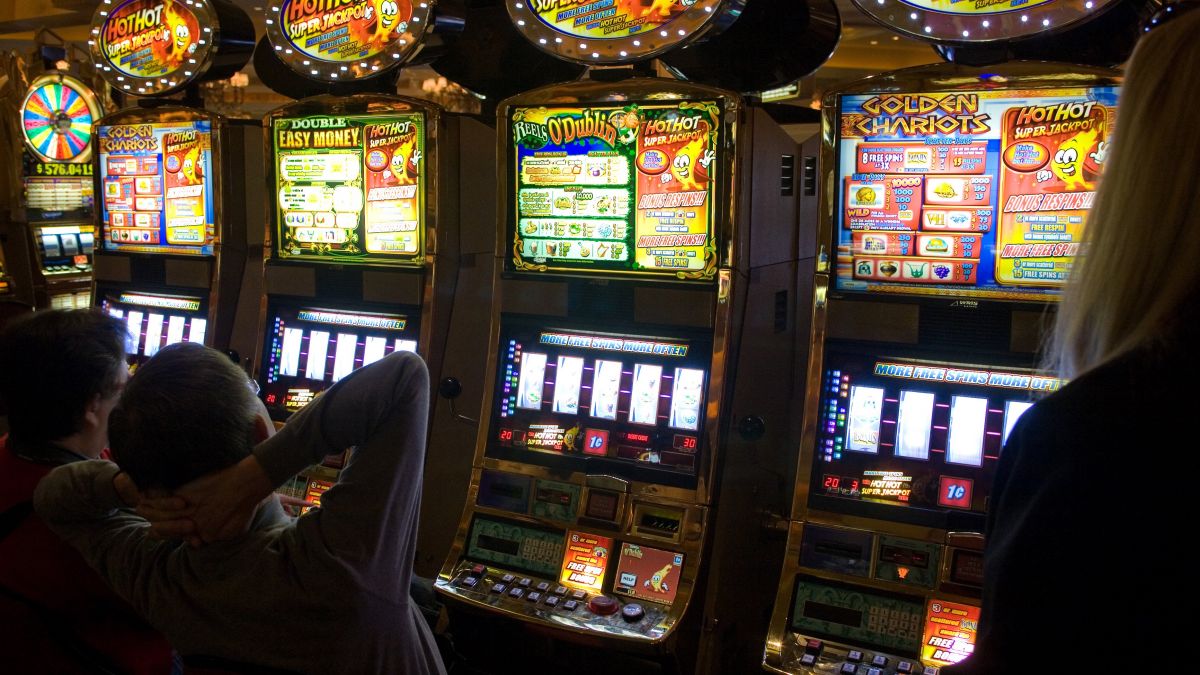
This phenomenon is particularly concerning in the context of the World Cup, where national pride and passion for the sport can amplify betting behaviors. Families may find themselves divided, with some members betting against each other or becoming overly invested in financial outcomes rather than the enjoyment of the game. The competitive spirit that should ideally bring communities together can, in some cases, lead to a strain on relationships and create discord within households.
Moreover, the social acceptance of gambling often masks its potential harms. While many see betting as harmless fun, individuals may not realize how quickly it can escalate. Those who experience losses may resort to more significant financial risks, and the consequences can ripple through families and communities, leading to issues such as debt, mental health struggles, and even domestic strife. Understanding these dynamics is essential as we approach the World Cup in 2026, as the potential for community disruption becomes more relevant.
The Psychological Effects of Gambling on Individuals
The psychological impact of gambling can be profound, often affecting individuals in ways they do not immediately recognize. For many, betting can become an escape from daily stresses, providing a temporary high and a sense of excitement. This thrill can develop into a habitual behavior that individuals find hard to control, leading to potential addiction. As the World Cup approaches, this phenomenon is particularly concerning because the stakes become higher, and the associated emotions can magnify the effects of gambling.
Individuals with pre-existing mental health issues may find that gambling exacerbates their conditions. Anxiety, depression, and stress can worsen as people struggle with the pressures of betting and the desire to recover losses. The need to chase wins can lead to a cycle of despair, pushing individuals further into isolation and impacting their ability to engage positively with family and community.
Additionally, the social dynamics surrounding gambling can create barriers to seeking help. Many individuals may feel shame or stigma associated with their gambling behavior, particularly if it leads to negative consequences in their personal lives. The World Cup can exacerbate these feelings, as the culture surrounding sports betting often glorifies risky behaviors while minimizing the risks associated with addiction. Understanding these psychological implications can help families and communities support those affected in a more informed manner.
The Economic Impact of Gambling on Communities
The economic implications of gambling during major events like the World Cup can be multi-faceted. While some may view gambling as a way to boost local economies through tourism and event attendance, the reality often includes hidden costs. Communities that see a surge in gambling activity may also experience an increase in related social problems, including crime and homelessness. The paradox lies in the idea that while some businesses may profit, the broader community can suffer from the consequences of gambling addiction.
In addition, the financial burden of gambling can lead to significant issues for families and individuals. Lost wages due to gambling-related debts can impact local economies, driving individuals to seek loans or engage in illicit behaviors to recover their losses. This financial strain can ripple through communities, affecting local businesses and social services as more individuals find themselves in crisis. The true cost of gambling during the World Cup may not only be measured in dollars but also in the social fabric that binds communities together.
Moreover, as the economic landscape changes due to increased gambling activity, the traditional forms of community support may wane. Social organizations and charitable contributions could suffer as individuals divert their disposable incomes toward gambling rather than local initiatives. This shift in priorities can lead to a depletion of community resources, further exacerbating social issues tied to gambling addiction and its psychological effects on individuals and families.
The Role of Education and Prevention in Gambling Awareness
Education and prevention play critical roles in addressing the social implications of gambling, especially during events like the World Cup. Communities need to foster awareness about the potential risks associated with betting, encouraging open dialogues about the effects it can have on mental health and family dynamics. Initiatives that target young adults and those new to gambling can equip them with the necessary skills to make informed decisions, helping to cultivate a healthier relationship with betting.
Schools, community centers, and local organizations can collaborate to create informative programs that discuss the realities of gambling. Workshops and campaigns can highlight not only the excitement but also the dangers inherent in wagering during high-stakes events. Providing resources for responsible gambling and access to support services is essential to prevent individuals from falling into the traps of addiction, which can dramatically alter family structures and community cohesion.
Additionally, integrating discussions about the psychological aspects of gambling into these programs can help individuals recognize their patterns of behavior. Understanding emotional triggers and coping mechanisms can empower individuals to seek help when needed. As the World Cup approaches, communities have a unique opportunity to engage in these dialogues, ensuring that the excitement surrounding the tournament does not overshadow the need for responsible gambling practices.

Insights from World Cup Predictions Today
World Cup Predictions Today provides invaluable insights for football enthusiasts and bettors alike, with its expert analysis helping users navigate the complexities of tournament dynamics. The platform focuses on understanding team performance, tactical matchups, and player form, offering a comprehensive look at upcoming matches. This understanding not only supports those who enjoy placing bets but can also serve as an educational tool for individuals interested in responsible gambling.
By offering structured previews and in-depth analysis, World Cup Predictions Today aids users in making informed decisions, allowing them to engage in gambling without falling prey to the associated risks. The site emphasizes the importance of awareness, not just in betting strategies but also in recognizing the broader social implications of gambling. It serves as a valuable resource for educating bettors about their behaviors during major events like the World Cup.
Ultimately, the combination of expert insights and community education can create a more responsible gambling culture. As the World Cup approaches, engaging platforms like World Cup Predictions Today empower individuals to enjoy the excitement of the tournament while remaining mindful of the social impacts of gambling on families and communities. This balanced approach is crucial for fostering a healthier and more inclusive environment during significant sporting events.